From Dakar to New Orleans: Chef Serigne Mbaye Puts Senegalese Cuisine on the Global Culinary Map
For the Senegalese community in the United States, success stories can take many forms. Some are found in business, education, science, technology, public service, or the arts. Others emerge from the kitchen.
Chef Serigne Mbaye, a Senegalese-American chef and restaurateur, has built a career around one powerful idea: Senegalese food deserves a place on the world’s most respected culinary stages.
Born in Harlem and raised in Dakar, Mbaye has transformed his personal connection to Senegalese food and culture into an internationally recognized culinary career through his New Orleans restaurant, Dakar NOLA.
Today, his achievements have placed Senegalese cuisine at the center of conversations about American food, African culinary traditions, and the broader African diaspora.
From Harlem to Dakar—and Back to America
Chef Serigne Mbaye was born in New York City to a Senegalese family and spent part of his childhood in Dakar. His relationship with food began at an early age, influenced by his family and his experiences in Senegal.
According to Dakar NOLA, Mbaye was born in Harlem, raised in Dakar, and later made New Orleans his culinary home. His professional background includes work at respected restaurants such as Commander’s Palace, Atelier Crenn and L’Atelier de Joël Robuchon.
Those experiences exposed him to some of the highest levels of professional cooking while allowing him to develop his own culinary identity.
Rather than separating his Senegalese heritage from his professional cooking, Mbaye made that heritage central to his work.
Dakar NOLA: Senegal Meets New Orleans
Chef Mbaye eventually created Dakar NOLA, a restaurant in New Orleans named after the two cities that represent important parts of his identity and culinary inspiration.
The restaurant describes itself as a modern Senegalese tasting-menu restaurant, drawing inspiration from Dakar and New Orleans while incorporating seafood from Louisiana waters and produce from South Louisiana farmers.
The concept goes beyond simply serving Senegalese dishes.
It connects two coastal cultures with histories shaped by migration, the Atlantic, African heritage, and the evolution of food across generations.
Dakar NOLA’s own description emphasizes the influence of Mbaye’s childhood memories in Senegal, with dishes inspired by the food he learned to cook growing up.
This approach has helped introduce Senegalese flavors and culinary traditions to diners who may never have experienced them before.
A Historic Achievement: The James Beard Award
Chef Serigne Mbaye reached another major milestone in 2026, when he received the James Beard Award for Best Chef: South.
The James Beard Foundation announced Mbaye as the 2026 winner for the South region, representing Dakar NOLA in New Orleans.
The recognition followed years of work.
In 2021, Mbaye was named Eater NOLA’s Chef of the Year. He was also nominated for James Beard recognition in 2022 and 2023. Dakar NOLA subsequently won the 2024 James Beard Award for Best New Restaurant, while Mbaye was named to the TIME100 Next list in 2024.
For Senegalese people around the world, these accomplishments represent more than individual professional recognition.
They demonstrate that Senegalese culinary traditions can reach some of the highest levels of recognition in the American culinary industry.
Carrying Senegalese Heritage to the World
In 2024, TIME recognized Chef Serigne Mbaye as part of its TIME100 Next list. The profile highlighted his efforts to elevate African cuisine and culture and his desire to make African food more widely recognized and respected.
That mission is reflected in Dakar NOLA’s philosophy.
The restaurant describes its approach as a commitment to the cultural heritage of both Dakar, Senegal, and New Orleans, Louisiana.
Food becomes a language.
Through it, Chef Mbaye tells stories about Senegal, New Orleans, family, migration, identity, and the African diaspora.
A New Generation of Senegalese Culinary Leadership
Chef Mbaye’s journey also connects him to a growing generation of Senegalese professionals who are bringing their heritage into American institutions and industries.
His story is particularly significant because he is not simply reproducing traditional Senegalese cuisine. He is using Senegalese culinary foundations while engaging with the culinary traditions of New Orleans and the broader American food scene.
That combination creates a space where Senegalese identity remains central while also becoming part of a larger international conversation.
Chef Serigne & Chef Pierre Thiam: Celebrating a Shared Heritage
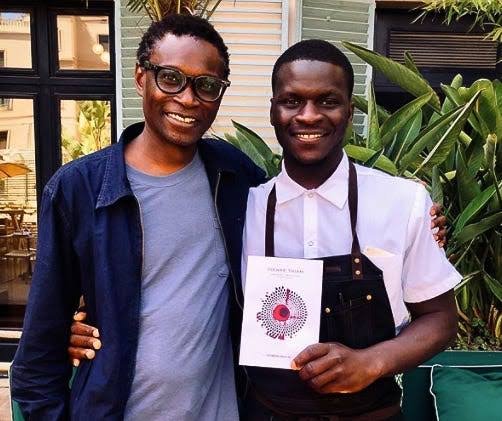
That spirit of cultural connection will continue with an upcoming culinary experience featuring two prominent Senegalese culinary voices: Chef Serigne Mbaye and Chef Pierre Thiam.
Dakar NOLA has announced “Chef Serigne & Friends: A Celebration of Food & Heritage,” an event centered on the traditions, flavors, and shared histories connecting Senegal, New Orleans, and the African diaspora.
The event is scheduled for Sunday, November 15, at Dakar NOLA in New Orleans, with seatings at 4:00 p.m. and 7:30 p.m. Central Time.
The collaboration brings together two chefs whose careers have helped introduce Senegalese cuisine to audiences in the United States and beyond.
For the Senegalese community, the significance goes beyond a dinner.
It represents an opportunity to see Senegalese culinary heritage celebrated on an American stage through collaboration, creativity, and professional excellence.
A Story the Senegalese Community Can Celebrate
From Harlem to Dakar, and from Dakar to New Orleans, Chef Serigne Mbaye’s story is one of heritage carried across borders.
His journey demonstrates how cultural identity can become a source of creativity and professional opportunity.
Through Dakar NOLA, Senegalese cuisine has gained recognition among influential American culinary institutions, while Mbaye continues to use food as a way to connect people with Senegalese culture.
His 2026 James Beard Award adds another important chapter to that story.
For Senegalese Americans and the broader Senegalese diaspora, his achievement is an example of how our culture, traditions, and talents can contribute to—and influence—the American cultural landscape.
Chef Serigne Mbaye is not only cooking food. He is telling a story about Senegal.
And that story is reaching an increasingly global audience.
Written by PFC Abou Traore
Senegalese Press Association in America (SPAA)
October 2026